
Published by Garden State Circle — Tiffany and Jake Slowinski · Somerset
By Tiffany Slowinski
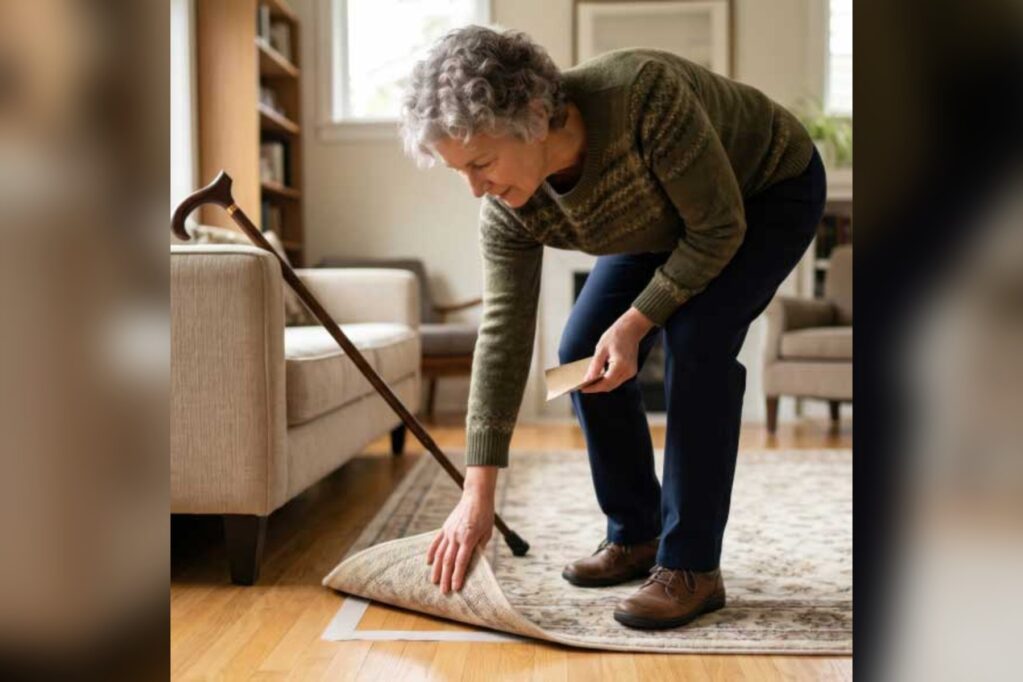
The call usually does not happen the first time Mom skips lunch.
It happens after the fall. After rehab. After the third call from a neighbor. After a daughter realizes she cannot keep leaving work every time something goes sideways.

Owner and Director, Seniors Helping Seniors Central NJ, Somerset
Deepthi Katragunta, owner and director of Seniors Helping Seniors Central NJ, a non-medical in-home care agency based in Somerset, hears two versions of that first call over and over.
One is from an adult daughter who lives with her mother and is simply exhausted. She needs a few hours of relief during the day or someone to stay with Mom while she works.
The other comes after something has already changed. Mom is falling. She has had a urinary tract infection. Early dementia is becoming harder to manage. The family is no longer wondering whether help might be useful. They are trying to figure out how fast they can get it.
“In reality most of the family members are calling us when we have surpassed this stage,” Katragunta says.
That is the part families tend to miss. The need for help usually starts quietly.
The signs are often boring before they are dramatic
Families tend to notice the crisis.
Katragunta says the earlier warning signs are easier to explain away.
A parent is no longer eating well and is just grabbing whatever happens to be in the refrigerator. They are not drinking enough water. Medications are being missed. They stop driving, then stop going to the senior center, walking outside or running to the grocery store.
Little by little, their world gets smaller.
They stay inside more. They see fewer people. Loneliness increases. So does the lack of stimulation.
None of those things automatically means a parent needs daily home care. They do mean the family should pay attention to the pattern instead of looking at each one in isolation.
Katragunta also says sudden severe confusion can be a sign of a urinary tract infection and should be checked. She has heard from families dealing with behaviors such as walking out the door, paranoia or repeated 911 calls because a parent believes someone is at the door or does not feel safe alone.
The point is not to diagnose a UTI from behavior. It is to recognize that a sudden change deserves medical attention.
What finally gets families to call
The trigger is often a fall.
Katragunta says fall prevention after a first fall is the biggest reason families come to her. A parent falls, goes to the hospital, spends weeks in rehab and wants to come home. The family is now terrified of the next fall.
Other calls come before a planned surgery, when the family knows Mom or Dad will need help after discharge.
Sometimes it is a spouse who has simply hit the limit.
A husband comes home from rehab and is bed-bound or too physically difficult for his wife to manage safely. A wife finishes chemotherapy and needs help with personal care. A spouse with dementia needs more companionship, more structure and someone who can help get them outside, do puzzles or play games.
Adult children often call with a different version of the same problem. Mom’s mobility has declined. She is not cooking well anymore. Laundry and light housekeeping are slipping. She needs someone two or three days a week to help with meals, errands or doctor visits.
The underlying issue is the same.
Family members have been filling the gaps until the gaps become too large.
The first question everyone asks
Price.
Then minimum hours.
Katragunta expects both.
What she wishes families asked sooner is how the caregiver will actually be matched to the parent.
“We invest a lot of time and effort into care matching,” she says.
For her, matching is not just about whether a caregiver is available.
Skills matter. Personality matters. Language can matter. Some clients want someone with more energy. Others want someone calm. Some families need a caregiver who speaks a particular language.
The agency sets up a meet-and-greet with the family before care begins.
That matters because one of the biggest fears families have is not the service itself. It is the idea of a stranger walking into the house.
The three worries behind almost every call
The first is money.
Non-medical home care is generally private pay unless long-term care insurance applies. Families want to know what they can afford and how many hours they realistically need.
The second is resistance from the parent.
Mom does not want help. Dad insists he is fine. The adult children are worried, but the parent sees a caregiver as proof that independence is disappearing.
The third is trust.
Someone new is going to be in the home. That person may be helping with bathing, dressing, meals or mobility. For a parent who has spent decades taking care of everyone else, accepting that help can feel deeply personal.
Katragunta’s approach is to reduce the size of the change.
The agency’s nurse speaks with the family first. Care can start with a few hours a day. As the caregiver and client build rapport, the family can increase the hours if needed.
Of course, the client intake calls also get intense, Katragunta says, especially if they are calling late in the process or if they have been the primary caregiver, if the recipient is resisting care from anyone else.
That is because these calls are rarely just about scheduling.
It is about a parent changing. A spouse getting tired. A daughter realizing she cannot do everything herself anymore.
Sometimes, she says, it helps if the care recipient hears it from someone other than a family member, such as their doctor or a friend.
Why the right caregiver matters
Katragunta says many of the caregivers she hires have already spent years caring for someone in their own family.
They have cared for a parent. They understand the routines, the resistance and the dignity involved in helping someone who still wants control of their own day.
That experience often comes through when the agency interviews caregivers about why they got into this work. Many become emotional talking about how much it means to them to care for seniors the way they once cared for their own parents or family members, some of whom have since passed.
“Almost all of them would have tears in their eyes when they’re answering those questions,” she says.
She says those mature, experienced caregivers often stay longer and build stronger connections with families.
The goal is not to take over the home.
“They’re not there to step on their toes. They’re just helping them to do their everyday job.”
That framing matters.
Good home care is not supposed to make an older adult feel like a guest in their own house. It is supposed to help them keep doing as much of normal life as they safely can.
The week before the call
If you are trying to decide whether your family is there yet, look at what has changed over the last few weeks, not just what happened today.
Ask yourself:
- Is Mom eating and drinking the way she used to?
- Are medications being missed?
- Has driving stopped?
- Has she stopped going out, walking or seeing people?
- Has there been a fall or a growing fear of another one?
- Is a spouse becoming physically or emotionally overwhelmed?
- Is someone in the family constantly rearranging work and life to cover care?
- Is your parent refusing help from family even when help is clearly needed?
Then make the first call before the next crisis makes the decision for you.
And when you call an agency, do not stop at price and minimum hours.
Ask three things:
- How do you match the caregiver to my parent?
- Who assesses my parent, and when?
- What happens if the caregiver is not a fit?
Those answers tell you far more about what daily life will actually look like once help walks through the door.
Learn more about Seniors Helping Seniors Central NJ at shscentralnj.com.
About This Article
Garden State Circle interviewed Deepthi Katragunta, owner and director at Seniors Helping Seniors Central NJ, Somerset, in October 2026. Details may change; confirm with the business.
Seniors Helping Seniors Central NJ is a member of the Garden State Circle, which verifies its members’ information and publishes features about them. How the Circle works.
Garden State Circle interviewed Deepthi Katragunta in October 2026. She reviewed and corrected this article on Oct. 27, 2026.
This article is maintained. If anything here is wrong or has changed — a name, an address, hours, or whether a business has closed — tell us and we will check it. Businesses named here are welcome to write in directly. admin@gardenstatecircle.com