
Published by Garden State Circle — Tiffany and Jake Slowinski · Toms River, Brick and Manchester
By Tiffany Slowinski
Imagine taking your car to a mechanic because something doesn’t feel right. It looks fine in the driveway, but every time you turn left, there’s a strange noise. Get on the highway, and the steering wheel starts to shake.
The mechanic could take a picture of the car and study it all day. But at some point, wouldn’t you want them to take it for a drive?
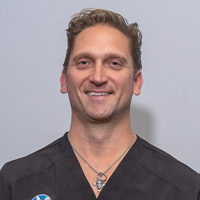
Owner, Hands On Physical Therapy
That’s how Kenneth Pavlinec, a physical therapist and owner of Hands On Physical Therapy in Ocean County, explains his approach to understanding pain.
“A picture of a car doesn’t tell you how the car runs,” Pavlinec says. “So we take it for a test drive.”
For Pavlinec, that means looking beyond where someone hurts to understand when the pain shows up, what makes it better or worse and how it affects the things they want to do.
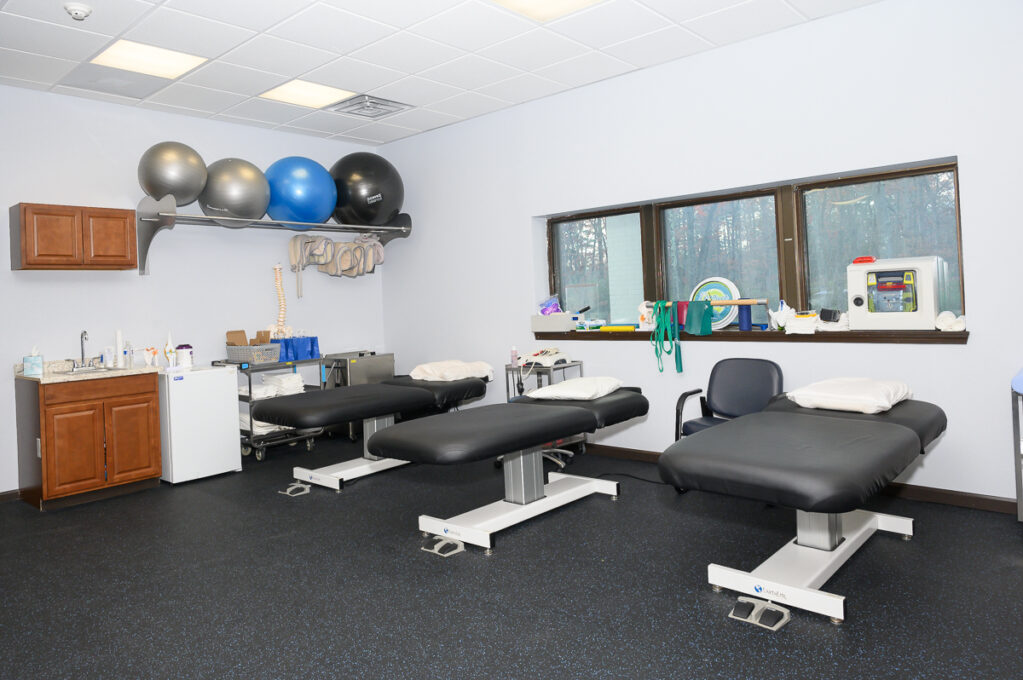
At Hands On Physical Therapy, which has locations in Toms River, Brick and Whiting in Manchester Township, that process is guided by the McKenzie Method of Mechanical Diagnosis and Therapy, often called MDT.
What Is the McKenzie Method?
The McKenzie Method is an approach to assessing and treating certain muscle and joint problems, including back, neck, and all the extremity joints. It begins with a conversation and a physical examination that looks at how symptoms respond to movement and different positions.
Think about the details you might tell your mechanic: The noise starts when you turn. The shaking gets worse at a certain speed. It doesn’t happen when the car is sitting still.
For a physical therapist, those details sound a little different. Does your back hurt after sitting through a long car ride? Does standing at the kitchen counter make it worse? Is walking the dog comfortable at first, then painful halfway around the block?
Those answers give the therapist clues about how the problem behaves in everyday life to determine a behavioral pattern.
During an evaluation, a therapist may ask a patient to move in certain directions or repeat a movement while paying attention to changes in pain and mobility. The findings help guide the treatment plan, which may include exercises and strategies the patient can use outside the clinic.
When Shoulder Pain Leads to the Neck
The place where you feel pain isn’t always the only place worth examining.
Pavlinec says he sometimes sees patients who come in with shoulder pain, only for the evaluation to point toward their neck as an area that needs attention.
“I’m treating the neck and I’m not even treating the shoulder,” Pavlinec says.
That doesn’t mean every sore shoulder starts in the neck. It means the examination helps the therapist understand the individual patient’s symptoms before deciding where to focus treatment.
It’s a little like hearing a rattle near the front of your car. You can describe where you hear it, but the mechanic still needs to figure out what’s causing it.
Why Two People May Need Different Plans
Even when two people describe similar pain, their treatment plans may look different.
Pavlinec explains that some movement-related problems can change relatively quickly when a patient responds well to a particular movement. Other problems, such as stiffness that has developed over time, may require a more gradual, slower-responding approach.
Pavlinec gives the example of a patient who has trouble climbing stairs and notices immediate improvement after repeating a movement during treatment. That’s something he says can happen in many cases, not an outcome every patient will expect.
The goal of the evaluation is to understand what is happening with that person and build a plan around the findings. It is not a cookbook treatment!
For patients, that also means having a chance to understand their own symptoms. Why might a certain position bother you? What movement seems to help? What can you do between appointments?
The McKenzie Method emphasizes patient education and self-management, so people can learn strategies to use as part of their care.
When Physical Therapy Isn’t the Right Next Step
A good test drive can also reveal that the car needs a different specialist.
Pavlinec says part of his job is recognizing when a patient may need care beyond the physical therapy he provides. Depending on the situation, that may mean referring someone to an orthopedic surgeon, sports medicine doctor, neurologist or pain management clinician.
“So, we don’t just treat people to treat people,” Pavlinec says.
Pavlinec became certified in Mechanical Diagnosis and Therapy in 2001, according to the practice’s website. Hands On lists four therapists with the Cert MDT credential, which indicates certification in the method.
For someone living with pain, an MRI report or a diagnosis may show a picture of the potential problem. But it doesn’t tell the whole story of what happens when you get out of bed, sit, bend, stand, walk, climb the stairs or try to get back to the activities you enjoy.
That’s where the test drive comes in.
About Hands On Physical Therapy
Hands On Physical Therapy offers physical therapy and McKenzie Method evaluations at three Ocean County locations. Contact the practice to ask about an appointment.
Toms River
780 Route 37 West, Suite 210
Toms River, NJ 08755
732-736-7007
Brick
224 Jack Martin Blvd., Unit E4
Brick, NJ 08724
732-746-3933
Whiting / Manchester
60 Lacey Road
Whiting, NJ 08759
732-849-5195
