

By Tiffany Slowinski
There is picky eating, and then there is the point where every meal starts to feel like a negotiation you are losing.
Your child will only eat a tiny list of foods. They are not moving from purees to soft or chewable solids. The bottle-to-straw transition is going nowhere. Or you keep looking at what other kids seem to be eating and wondering why your child is stuck.
Denise Favor Bayles, M.A., CCC-SLP, owner of Bayles Family Speech Center in Bridgewater, sees families for feeding concerns including difficulty moving from purees to solids, very picky eating, trouble moving from a bottle to a straw and oral motor weakness.
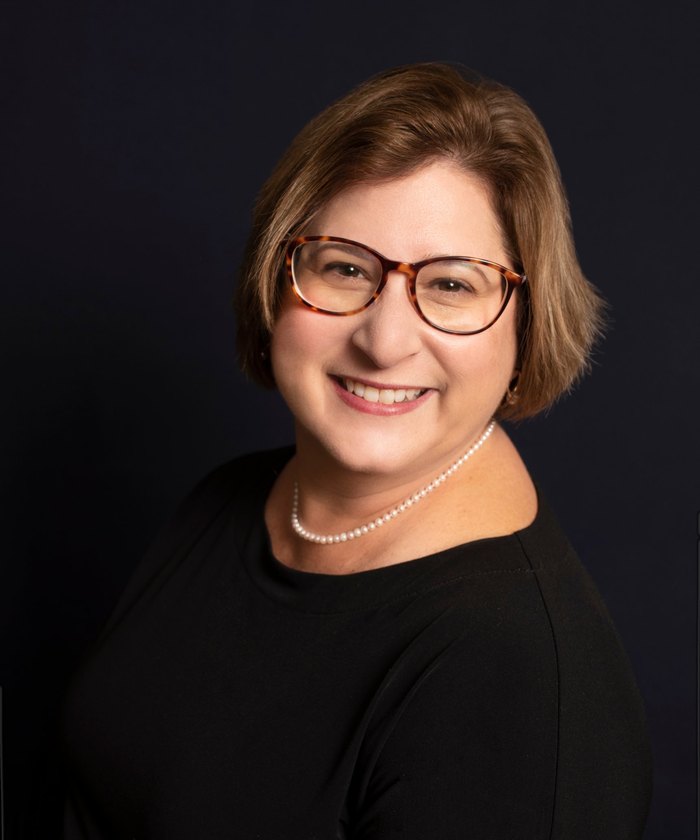
Owner, Bayles Family Speech Center, Bridgewater
Her first job is not to turn dinner into a battle.
It is to look at what the child can physically manage and what they can tolerate.
Feeding therapy is partly about muscle skills
Bayles says therapy can begin by building the muscle skills a child needs to manage food.
When there is weakness, she may help parents with food placement and use tools such as baby-safe mesh feeders to practice chewing.
She also says premature babies are “very very at risk” for feeding and swallowing problems because, in her words, coordination and reflexes are not fully developed at birth.
Once a child has the skills to manage food, the work can also focus on building tolerance for new foods.
That is where the dinner table comes in.
The table itself matters
Bayles has very clear rules for families working through feeding issues.
The child sits in a high chair at the table. No wandering around. No television. No music. No phones. It is family dinner time.
Food goes on the tray.
Then comes the part that can feel completely backward to a parent who is already tired of cleaning food off the floor: let the child explore it.
“Feeding therapy is messy and that helps build sensory tolerance for new foods,” Bayles says.
She wants children to interact with the food safely, including touching it and exploring it, rather than having every bite turn into a showdown.
Repeated exposure matters too. Bayles tells parents to keep reintroducing the same foods so children have repeated opportunities to build tolerance and taste.
This is also parent coaching
Bayles describes parent counseling as “a big big component” of feeding work.
Her wording is direct.
“You need to be the parent. You need to be in control. You’re not working in a restaurant.”
That does not mean forcing a child to eat something they cannot manage. Her feeding approach includes looking at oral motor skills, placement and the child’s ability to handle food.
It does mean parents should not feel obligated to run a made-to-order kitchen every night.
The structure around the meal matters.
For families looking for local speech and feeding resources, Garden State Circle maintains a guide to Speech Therapists in Somerset County, NJ.
What can progress look like?
Bayles described one little one who was not managing anything beyond jarred baby food from a spoon.
The work involved introducing chopped, age-appropriate solids on the tray and allowing the child to explore and mouth the food safely.
Over time, Bayles says the child was starting to eat more solids.
Her goal, when feeding work starts early enough and the family follows through, is an age-appropriate diet and eventually no need for feeding therapy.
That does not mean every child has the same issue or follows the same course. It does show why the work is broader than simply convincing a picky child to take one bite of broccoli.
There may be skill-building.
There may be tolerance-building.
There is usually a lot of repetition.
And there is a parent component, because what happens between therapy sessions matters.
So when is picky eating more than picky eating?
Parents usually know when feeding has become a bigger source of concern.
Maybe the issue is not just which foods your child likes. It is that they cannot move beyond a certain texture. They cannot manage soft or chewable solids. They are having trouble moving from a bottle to a straw. Or oral motor weakness is getting in the way.
Those are the kinds of concerns Bayles evaluates and treats.
The point is not to diagnose a feeding problem at your own kitchen table. It is to recognize when the problem is persistent enough that you want a professional to look at the skills underneath it.
A speech-language pathologist can help determine whether the concern is primarily feeding skill, oral motor weakness, tolerance or something that needs a different next step.
What can you try at dinner tonight?
Keep it simple and stick to the structure Bayles gives families:
- Seat your child in the high chair at the table.
- Keep the meal free of television, music and phones.
- Do not let the child wander around while eating.
- Put the food on the tray.
- Let them touch and explore it safely.
- Reintroduce the same foods repeatedly instead of abandoning them after one refusal.
- Treat dinner as family dinner, not restaurant service.
If feeding still feels stuck, that is the point to stop guessing.
Have your child checked by a speech-language pathologist who works with feeding and can look at what is actually happening at the table.
Bayles Family Speech Center, in Bridgewater, is led by Denise Favor Bayles, M.A., CCC-SLP, who founded the practice in 2007.
About This Article
This article is produced by Garden State Circle and is part of our local guide to speech therapists serving Somerset County.
Garden State Circle is supported by the businesses that partner with us, and Bayles Family Speech Center, Bridgewater is an authority partner. We interviewed Denise Favor Bayles, who leads the practice, about the feeding questions parents here actually ask. The partnership pays for the reporting; it does not decide the answers. Most of the answers below are not published anywhere else. This piece is part of our ongoing reporting on Bayles Family Speech Center; see also our companion pieces on childhood apraxia of speech in plain English and who to call when a 3-year-old isn’t talking. Nothing on this page is medical advice. Every treatment described here carries risks that depend on your own health and history, and the person to discuss them with is a licensed provider who has examined you.
Written by Tiffany Slowinski, Co-Owner, Garden State Circle. Insights were provided by Bayles Family Speech Center, Bridgewater and reflect this market in September 2026.
This article is maintained. If anything here is wrong or has changed — a name, an address, hours, or whether a business has closed — tell us and we will check it. Businesses named here are welcome to write in directly. admin@gardenstatecircle.com